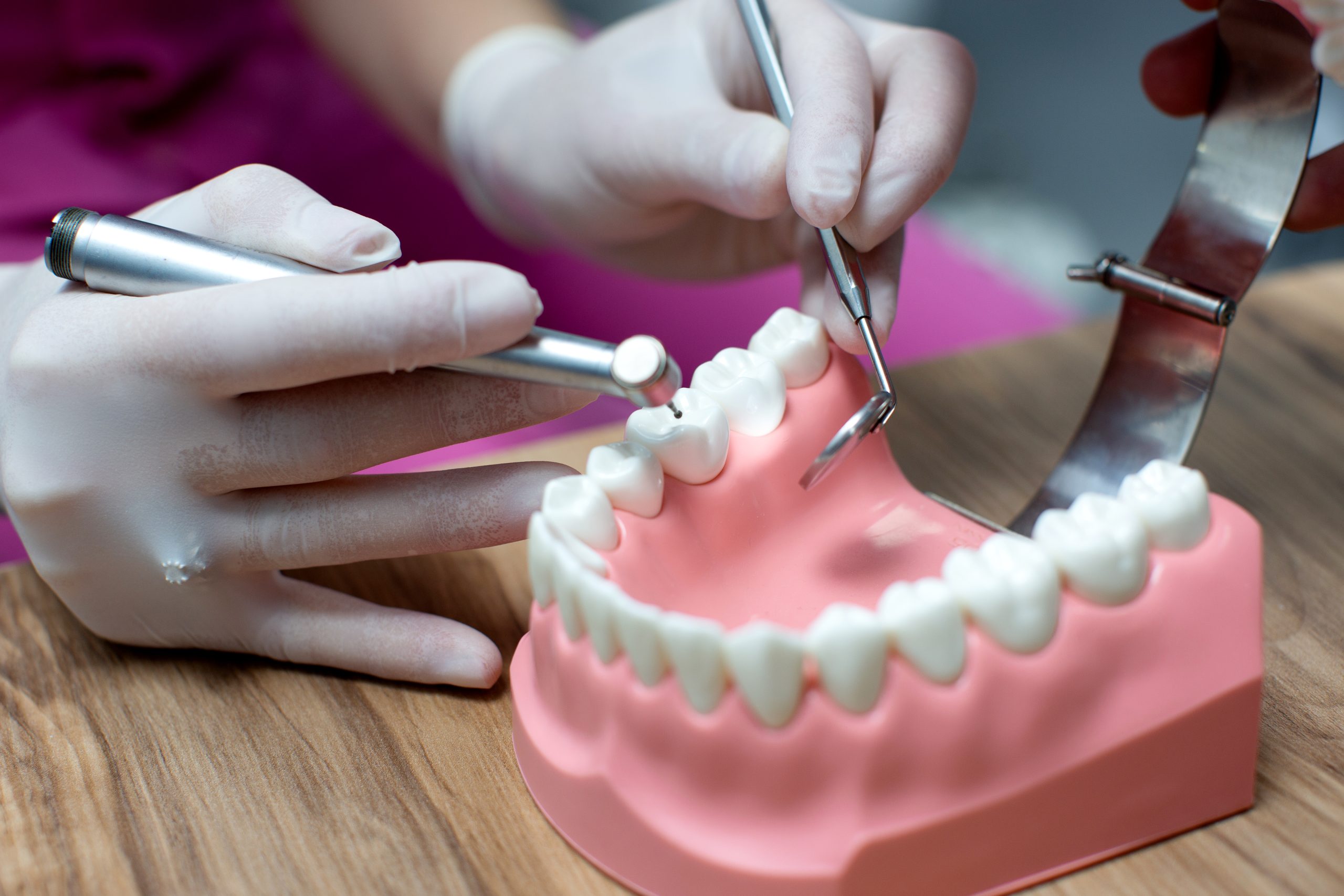
A missing tooth can affect how you eat, talk, and smile. A dental bridge can close the gap and make daily activities easier. There are several types of dental bridges, and your dentist can help you choose one that best suits your needs. Knowing the different options can also help you feel more prepared for your dental visit.
What Is a Dental Bridge?
A dental bridge is a way to replace one or several missing teeth. It uses a false tooth to fill the open space in your smile. The bridge can be supported by the surrounding teeth or by dental implants.
Before recommending a bridge, your dentist will check your teeth, gums, bite, and the area around the gap. This helps them find a bridge option that fits your smile and dental needs.
Looking for dental bridges in Downtown Toronto? A dental visit can help you learn which type may suit your smile and oral health.
4 Common Types of Dental Bridges
1. Traditional Dental Bridge
A traditional dental bridge uses crowns on the teeth next to the missing tooth. A false tooth is placed between these crowns to fill the gap.
This type of bridge may work well if the teeth beside the gap are strong and healthy.
2. Cantilever Dental Bridge
A cantilever bridge is supported by only one nearby tooth. It can be used when there are no healthy teeth on both sides of the missing tooth.
However, this type may not work well in areas that take a lot of pressure when you bite. Your dentist will check your bite before recommending it.
3. Maryland Dental Bridge
A Maryland bridge uses a thin framework that attaches to the back of nearby teeth. It usually needs less change to the supporting teeth than a traditional bridge.
This option is often considered for front teeth because they usually experience less biting pressure than back teeth.
4. Implant-Supported Dental Bridge
An implant-supported bridge is held in place by dental implants instead of natural teeth. Implants are small posts placed in the jawbone to support the bridge.
This option can be useful when several adjacent teeth are missing. It also does not require the presence of nearby natural teeth to support the bridge.
Which Dental Bridge Is Right for You?
There is no single bridge that works for everyone. Your dentist may consider:
- How many teeth are missing
- Where the gap is located
- The health of nearby teeth
- Your gum health
- Your jawbone health
- Your bite
- Your overall dental needs
- Your personal preferences
If you are searching for dental bridges near you, a dental examination is the right place to start. A dentist can explain your options and answer your questions before treatment begins.
Why Replace a Missing Tooth?
A missing tooth can affect more than your smile. The nearby teeth may slowly move into the space. This can make cleaning harder and may affect your bite.
A dental bridge can help fill the gap, support normal chewing, and keep your smile looking complete. Good daily brushing and flossing, along with regular dental visits, can also help protect your bridge and natural teeth.
When Should You See a Dentist?
If you have a missing tooth, it is a good idea to schedule a dental checkup. A dentist in Downtown Toronto can examine your mouth and explain whether a bridge may be suitable for you.
During your visit, ask about the different bridge choices, expected treatment time, care needs, and other replacement options. Having clear information can help you make a confident choice.
Get Help Choosing Your Dental Bridge
Selecting a dental bridge can be simple with the right help. Your dentist will look at your teeth, gums, and the missing tooth to help you choose the right option.
If you have a missing tooth, contact York Street Dental to book a consultation. Our dental team can check your smile and explain your treatment choices in easy-to-understand language.
FAQs
1. How long can a dental bridge last?
A dental bridge can last for many years with good oral care. Brushing, flossing, and regular dental checkups can help keep it in good condition.
2. Is getting a dental bridge painful?
Your dentist will use local anesthesia when needed to keep you comfortable during treatment. You may have some mild soreness afterward.
3. Can a Dental Bridge Replace More Than One Missing Tooth?
Yes, a dental bridge can replace two or more missing teeth in some cases. Your dentist will check your teeth and gums to determine whether a bridge is a suitable option for you.
4. How Should I Care for a Dental Bridge?
Take care of your bridge just like your natural teeth. Brush your teeth twice a day and clean around the bridge every day. Your dentist may also recommend special floss or cleaning tools to remove food from hard-to-reach areas.